Introduction
How to deal with the death of the follower? Adapt to algorithm-driven social media by using different strategies, e.g micro-influencers and alternative platforms.
This article is based on Jack Conte’s keynote the ‘Death of the follower & the future of creativity on the web’ for SXSW in 2024.
The rise of the internet and social media has been nothing short of revolutionary––taking power and influence from traditional mainstream outlets (now increasingly labeled as ‘legacy media’) and placing it in the hands of anyone with an internet connection and a social media profile, website, or blog.
This transformation has fundamentally altered our political and social realities, fragmenting and polarizing societies. But rather than settling into a new status quo, the landscape is shifting again.
Its consequences for content creators and communicators are profound. It’s ushering in a whole new era of content creation. Patreon CEO Jack Conte has dubbed this phenomenon “the death of the follower.”
While the first wave of social media was built around followers and stable audiences, today’s dominant platforms—TikTok, Instagram Reels, YouTube Shorts—are driven by algorithmic discovery.
Your timeline is no longer just a stream of posts from accounts you follow. Instead, algorithms show you content they think will engage you, based on its overall popularity and your past interactions with similar content.
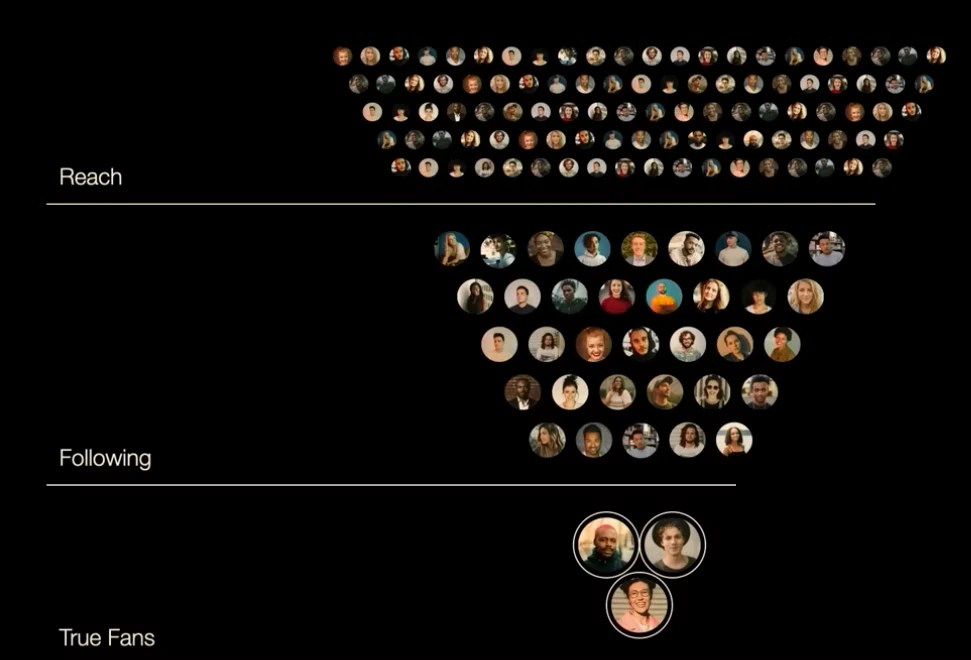
For progressive communicators, organizations and political parties, this means that even if you build a strong following on social media platforms, there’s no guarantee your audience will actually see what you post. This fragmentation of engagement makes the already difficult task of building and mobilizing online communities even harder.
That’s the bad news. But there’s good news too.
This shift also makes it easier for new voices to break through—so long as their content resonates.
The playing field has, in a way, been leveled once more. A first-time post can now have just as much reach as content from an influencer with tens of thousands of followers.
A Whole New Game?
The first major shift—from legacy media gatekeeping to the rise of individual influencers—dramatically lowered the bar for entry into public discourse. This second shift is lowering it even further.
Now, even having a large personal following is no longer a prerequisite for visibility.
The only thing that matters is the perceived ‘quality’ of each individual piece of content, as determined by the algorithm. We deliberately put ‘quality’ in quotation marks here, because what grabs attention online obviously isn’t always the most enriching or thoughtful material.
A New Playbook for Progressive Digital Organizing
The far-right’s dominance on algorithmic discovery platforms isn’t accidental—it’s built on permanence, scale, and relentless experimentation. Their strategy hinges on an unceasing flood of content, re-shared hundreds and thousands of times.
Sándor Madovy is the Founder and Executive Director of Amplify Good, an influencer agency dedicated to driving progressive change. He has worked all over the world supporting communities to share their stories online.
Far-right creators present year-round, consistently shaping online discourse. If progressives want to compete, they’ll need to adopt similar long-term strategies. – Sándor Madovy, Founder and Executive Director of Amplify Good
Based on his own organizing work during the recent German elections in February, Sándor believes this new approach should be centered on three things:
1. Micro-influencers and Key Opinion Leaders
Rather than depending on celebrity activists, progressive campaigns should cultivate a network of smaller, highly engaged progressive content creators. These progressive content creators should work independently but be connected through shared resources and strategy. Rather than treating influencers as one-off assets, they would have to be integrated into broader organizing efforts.
Organizers could send out daily briefings for possible content to their own network of micro-influencers, leaving it up to the creators themselves to pick those topics that truly resonate with them, ensuring authenticity.
These micro-influencers offer credibility, and deep audience connections, making them powerful messengers.
Campaigns have to consider these types of content creators not as a nice-to-have, but a need-to-have element. – Sándor
2. Faceless TikTok and Algorithm-hacking Strategies
Sándor and his colleagues have begun experimenting with faceless TikTok accounts—channels that prioritize algorithmic success over personality-driven content. These accounts pump out high volumes of content, testing different styles and messages to determine what resonates.
For example: a short clip of a progressive politician making a particularly strong speech in the European Parliament, accompanied by a punchy line of text in big red letters to instantly draw attention. This allows for endless variation: you can use a different part of the speech, different punchy line, different color text. The more you experiment, the more information you have on what works and what doesn’t – allowing you to pivot to whatever works in real time.
As Sándor describes, “Some videos flop, but those that stick can make a very, very large impact.”
3. The Role of Humor and Anti-elite Narratives
Progressives aren’t new to making viral memes – but we must do better to support and encourage the rapid creation and distribution of non official content.
What should Progressives do?
The death of the follower doesn’t have to mean the death of meaningful communication with your supporters. This is simply a shift that progressives and digital organizers need to adapt to within the ever-changing political discourse we operate in.
If you’re worried that digital organizing will become nothing more than chasing the next viral video, don’t despair. While platforms like TikTok, Facebook, Instagram, and YouTube are where the masses are, progressives can guide people toward more meaningful, long-form discussions elsewhere.
Strategy into Practice
- Maintain a presence on mainstream platforms to reach mass audiences. Invest in helping volunteers and supporters to create content you can share. ‘Ride’ the discovery algorithm in order to bring new people into your community and influence broader public discourse. Use your CTA’s to bring audiences to your own platform (step 2)
- Invest in building and maintaining your own platform which won’t be manipulated by freaky billionaires. ActionNetwork is the tool we recommend for an email engagement program which builds deeper engagement with your supporters and long-term sustainability.
- Try alternative spaces that work for your supporters, local groups and volunteers such as Discord, Bluesky, Slack or Signal.
Platforms like Discord, Substack, and Patreon offer spaces where deeper conversations can unfold, but for progressive organizers email is the highest-converting channel for mobilization. Growing your own email lists should still be the priority.
Using a strong software such as ActionNetwork is fundamental for building a supporter base. Discovery algorithms are just another tool to bring in more people to your own platform.
Note: The article has made minor formatting changes from the original article.
Watch Video
Explore Further
- Bluesky 101: How-to Guide for Progressives
- European Center for Digital Action Collection
- Turning Grassroots Activism Into Durable Political Power
- Digital Campaigning in Europe: A Series of Articles
- Lessons from European Election 2024: Toolkits for Organic Social Media
- Expect the Unexpected: How to Prepare and Implement a Rapid Response Campaign
- Lost Voices: A toolkit for Digital Campaigners
- TikTok for Organizing: How Groups are Using TikTok in Campaigns
- Online Tactics: Digital Storms
- Online Picket Line Guide
- Digital Organizing Frameworks and Models